









Trump Administration Announces $3.15 Million to Expand Pharmacy Connectivity Across Rural Ohio

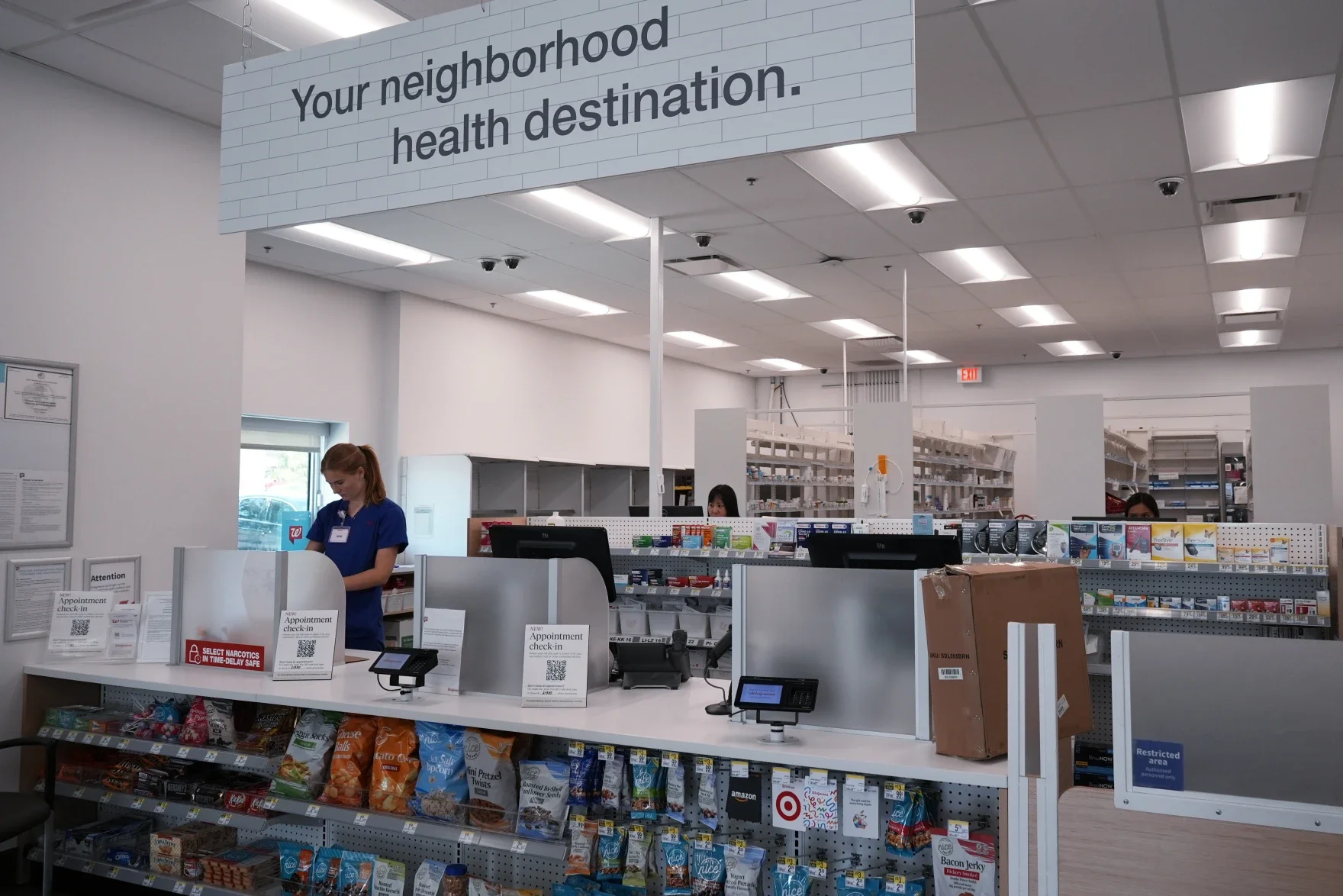
The federal investment will connect pharmacies and healthcare providers across Ohio’s 73 rural counties, with the goal of improving medication management, prescription information access and patient care.
The Trump administration has announced a $3.15 million federal investment to expand pharmacy connectivity across rural Ohio, targeting gaps in how pharmacies, healthcare providers and patient health information are connected.
The funding will support independent and retail pharmacies, federally qualified health centers and outpatient hospital pharmacies across 73 rural Ohio counties. The initiative is designed to give healthcare providers better access to prescription-drug information and help them coordinate patient care more effectively.
The investment comes through the federal Rural Health Transformation Program (RHTP) and is part of a broader effort to modernize healthcare infrastructure in rural communities.
What the $3.15 million Ohio pharmacy investment will fund
The funding is divided between two major pharmacy-related projects.
About $2 million will be used to expand pharmacy connectivity and care coordination. The goal is to improve pharmacists’ access to patient medical records, strengthen medication management and reduce drug-related adverse events.
Another $1.15 million will improve rural providers’ access to prescription-drug information through Ohio’s Ohio Automated Rx Reporting System (OARRS).
The project will support needs assessments, outreach and onboarding assistance to increase integration between prescription-drug monitoring information, electronic health records and pharmacy dispensing systems.
Why pharmacy connectivity matters in rural Ohio
The administration says better connectivity can help doctors and pharmacists see more complete information about a patient’s medications.
When information is fragmented between providers, a healthcare professional may not have a full picture of what medicines a patient is already taking or what other treatments they have received.
That can make medication management more difficult and increase the risk of potentially dangerous drug interactions.
The program is also intended to help identify situations in which individuals obtain controlled substances from multiple healthcare providers.
Healthcare consultant Tom Campanella told Ideastream Public Media that connectivity problems can prevent providers from looking at patients from a more comprehensive perspective because they may have access to only part of a patient’s medical information.
Which rural communities will benefit?
The initiative covers 73 rural counties across Ohio, with the focus on connecting different parts of the healthcare system rather than supporting pharmacies in isolation.
The participating healthcare network can include:
- Independent pharmacies
- Retail pharmacies
- Federally qualified health centers
- Outpatient hospital pharmacies
- Rural healthcare providers
- Electronic health record systems
- Prescription-drug monitoring systems
The broader objective is to make prescription and patient information easier for authorized healthcare professionals to access when managing care.
Ohio pharmacy closures add to rural healthcare challenges
The investment comes as rural communities continue to face challenges in maintaining convenient access to healthcare and pharmacy services.
Federal officials and Ohio lawmakers have pointed to pharmacy access as an important part of rural healthcare infrastructure. When pharmacies close or residents have to travel longer distances to obtain medications, maintaining coordinated care can become more difficult.
The new funding therefore focuses not only on technology but also on strengthening the connection between pharmacies and other parts of the healthcare system.
Rep. Robert Latta said rural pharmacy closures have made it harder for some families to fill prescriptions and receive care close to home, while arguing that stronger connectivity could help modernize rural healthcare services.
The $3.15 million is only part of Ohio’s larger rural-health funding
The pharmacy investment is one component of a much larger package of Rural Health Transformation funding for Ohio in fiscal year 2026.
According to CMS, other supported projects include $10 million for Ohio University to strengthen the rural healthcare workforce.
There is also a $61.7 million funding opportunity aimed at developing and expanding rural clinically integrated networks and Rural Health Innovation Hubs across Ohio’s 73 non-urban counties.
Together, the projects are intended to address several different problems facing rural healthcare, including workforce shortages, care coordination, technology and access to services.
Ohio received more than $200 million from CMS in 2026 through the broader rural-health effort, according to the CMS announcement.
What is the Rural Health Transformation Program?
The Rural Health Transformation Program is a federal initiative designed to direct new resources toward rural healthcare systems.
The program is part of a $50 billion federal rural-health initiative created under the Working Families Tax Cuts Act.
CMS says the program is intended to help rural communities develop stronger, more sustainable healthcare systems while giving them greater flexibility to address their individual needs.
For Ohio, that means funding is being directed toward several areas rather than a single healthcare service.
What could change for patients?
For patients in rural Ohio, the pharmacy connectivity project is primarily about what happens behind the scenes.
A patient is unlikely to receive a direct payment from the $3.15 million investment. Instead, the funding is intended to improve the systems healthcare professionals use to share and access relevant prescription information.
Better integration could help pharmacists and prescribers:
- Review more complete medication information
- Identify potentially dangerous drug interactions
- Improve medication management
- Coordinate care between different providers
- Access prescription-drug monitoring information more efficiently
- Help identify possible prescription-drug misuse involving multiple providers
The effectiveness of the program will ultimately depend on how successfully pharmacies and healthcare providers integrate these systems and use the information in everyday patient care.
Ohio officials welcome the investment
Ohio Gov. Mike DeWine welcomed the federal funding, saying the investment would help advance healthcare improvements in rural communities.
Federal lawmakers representing Ohio also highlighted the challenges faced by rural families who may have to travel significant distances for healthcare and pharmacy services.
At the same time, healthcare consultant Tom Campanella described the investment as an important starting point but said rural counties still face broader healthcare and quality-of-life challenges.
What happens next?
The next stage will involve implementing the connectivity projects, assessing needs among rural providers and helping pharmacies and healthcare organizations integrate the relevant systems.
The $3.15 million announcement is therefore less about an immediate change at the pharmacy counter and more about upgrading the infrastructure behind rural prescription and healthcare coordination.
For Ohio’s 73 rural counties, the goal is straightforward: give pharmacists and healthcare providers better access to the information they need to manage medications and coordinate care.
Key Facts
| Detail | Information |
|---|---|
| Federal investment | $3.15 million |
| State | Ohio |
| Rural counties covered | 73 |
| Pharmacy connectivity | $2 million |
| Prescription-drug information | $1.15 million |
| Program | Rural Health Transformation Program |
| Broader rural-health initiative | $50 billion |
| Ohio CMS funding in 2026 | More than $200 million |
| Ohio University workforce project | $10 million |
| Rural care networks/innovation opportunity | $61.7 million |


