









Dolly Parton Net Worth in 2026: How She Built Her $450 Million Fortune and What Happens to Her Wealth

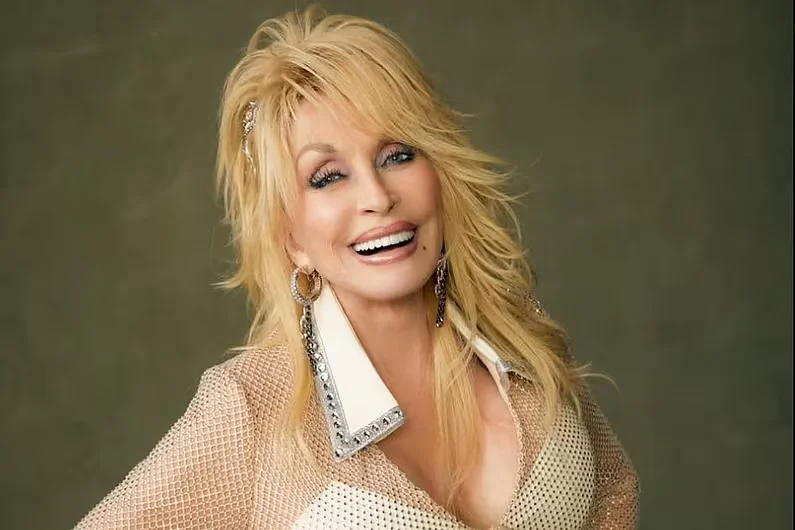
Dolly Parton died on August 25, 2026, at the age of 80, leaving behind not only one of country music’s most influential legacies but also a fortune estimated at more than $450 million.
But the size of Parton’s fortune tells only part of the story.
Unlike entertainers whose wealth is largely tied to touring or record sales, Parton built multiple long-term sources of income. Her songwriting catalog, publishing rights, royalties, business interests, and connection to Dollywood helped turn a career that began in rural Tennessee into a multimillion-dollar entertainment empire.
Her estate could therefore become one of the most closely watched aspects of her legacy.
Dolly Parton’s net worth was estimated at more than $450 million
Estimates published around Parton’s death put her net worth at at least $450 million. Forbes had previously estimated her fortune at approximately that level.
However, there is an important distinction between an estimated net worth and the amount of money that will eventually be distributed through an estate.
Parton’s total wealth included assets whose value can change over time, including intellectual property, music rights and business interests. The exact value of those holdings at the time of her death has not been publicly disclosed in a complete estate statement.
That means the widely reported $450 million figure should be treated as an estimate, not an officially disclosed final estate value.
Where did Dolly Parton’s fortune come from?
Parton’s wealth was built over several decades and across several industries.
1. Her music catalog
One of Parton’s most valuable assets was her songwriting and music catalog.
She wrote roughly 3,000 songs during her career, including some of the most recognizable songs in popular music, such as “Jolene,” “9 to 5” and “I Will Always Love You.”
Forbes previously estimated the value of her song catalog at around $120 million.
The significance of the catalog goes beyond the value of the songs themselves. Music rights can continue producing revenue through recordings, streaming, licensing, film and television use, and cover versions.
“I Will Always Love You” is a particularly important example. Parton wrote and recorded the song before Whitney Houston’s hugely successful 1992 version introduced it to another generation of listeners.
That helped demonstrate how songwriting ownership could continue generating value long after a song was originally released.
2. Dollywood became a major part of her business empire
Parton’s wealth also extended into tourism and entertainment through Dollywood, the theme park in Pigeon Forge, Tennessee.
The park grew into one of Tennessee’s major tourist attractions and became closely associated with Parton’s name and brand.
Her involvement in Dollywood showed how Parton expanded beyond being a recording artist. Rather than relying exclusively on albums, concerts and royalties, she built businesses around her identity and cultural influence.
3. Royalties kept working long after the songs were released
Parton’s career demonstrates why owning intellectual property can be so valuable.
A performer may earn money when an album is released or when they go on tour. A songwriter who retains rights can potentially continue earning from the same work for decades.
Parton’s songwriting royalties therefore became an important long-term component of her wealth.
Her catalog also benefited from the continued popularity of her songs across generations, with her music appearing in movies, television, advertising and new recordings.
4. Movies, television and other business ventures
Music was only one part of Parton’s career.
She appeared in films and television productions, developed entertainment projects and expanded her brand into businesses and consumer products.
That diversification helped Parton create several revenue streams instead of depending on one source of income.
Her career is particularly notable because she turned her public persona into a broader commercial brand while maintaining control over much of the creative work that made her famous.
Did Dolly Parton have children?
No. Dolly Parton and her husband, Carl Dean, did not have children.
Dean died in March 2025 at the age of 82 after nearly six decades of marriage to Parton.
That fact has drawn additional attention to what will happen to Parton’s fortune following her death.
Parton is survived by members of her extended family, including siblings, nieces and nephews. Her nephew Bryan Seaver was the family member who publicly announced her death.
However, the family has not publicly disclosed the complete details of Parton’s will or estate plan.
Who will inherit Dolly Parton’s $450 million fortune?
There is currently no publicly confirmed breakdown showing exactly who will inherit Parton’s wealth.
That is an important distinction from speculation circulating online.
Because Parton had no children and her husband died before her, attention has naturally shifted toward her extended family and the charitable organizations associated with her.
But without the public release of her estate documents, it would be premature to name specific heirs or assign percentages of her fortune.
Her estate could involve music rights, royalties, business interests, real estate, investments and other assets, each of which may be handled differently.
Could a large part of Dolly Parton’s wealth go to charity?
Charity is likely to remain an important part of the conversation surrounding Parton’s estate because philanthropy was central to her public life.
Her best-known initiative is the Imagination Library, founded through the Dollywood Foundation in 1995.
The program provides free books to children and has distributed hundreds of millions of books internationally.
Parton also donated to disaster relief, medical research, literacy programs and other causes.
Her $1 million donation toward COVID-19 vaccine research became one of her most widely recognized charitable contributions.
Because of that history, charitable organizations connected to Parton could become significant beneficiaries of her estate—but there is currently no publicly confirmed figure showing how much of her fortune will ultimately go to charity.
Dolly Parton’s wealth was bigger than her net worth number
The most interesting part of Parton’s financial legacy isn’t simply whether her fortune was $450 million or higher.
It is how she built it.
She transformed songwriting into intellectual property, music into long-term royalties, celebrity into business interests and personal success into large-scale philanthropy.
From a two-room cabin in Tennessee to a multimillion-dollar entertainment empire, Parton created wealth that extended well beyond her career as a country singer.
Her death now leaves an unanswered financial question: how will the assets she spent decades building ultimately be divided, managed and used?
Until her estate releases more information, the reported $450 million-plus figure remains an estimate, while the final distribution of Dolly Parton’s wealth remains unknown.


