









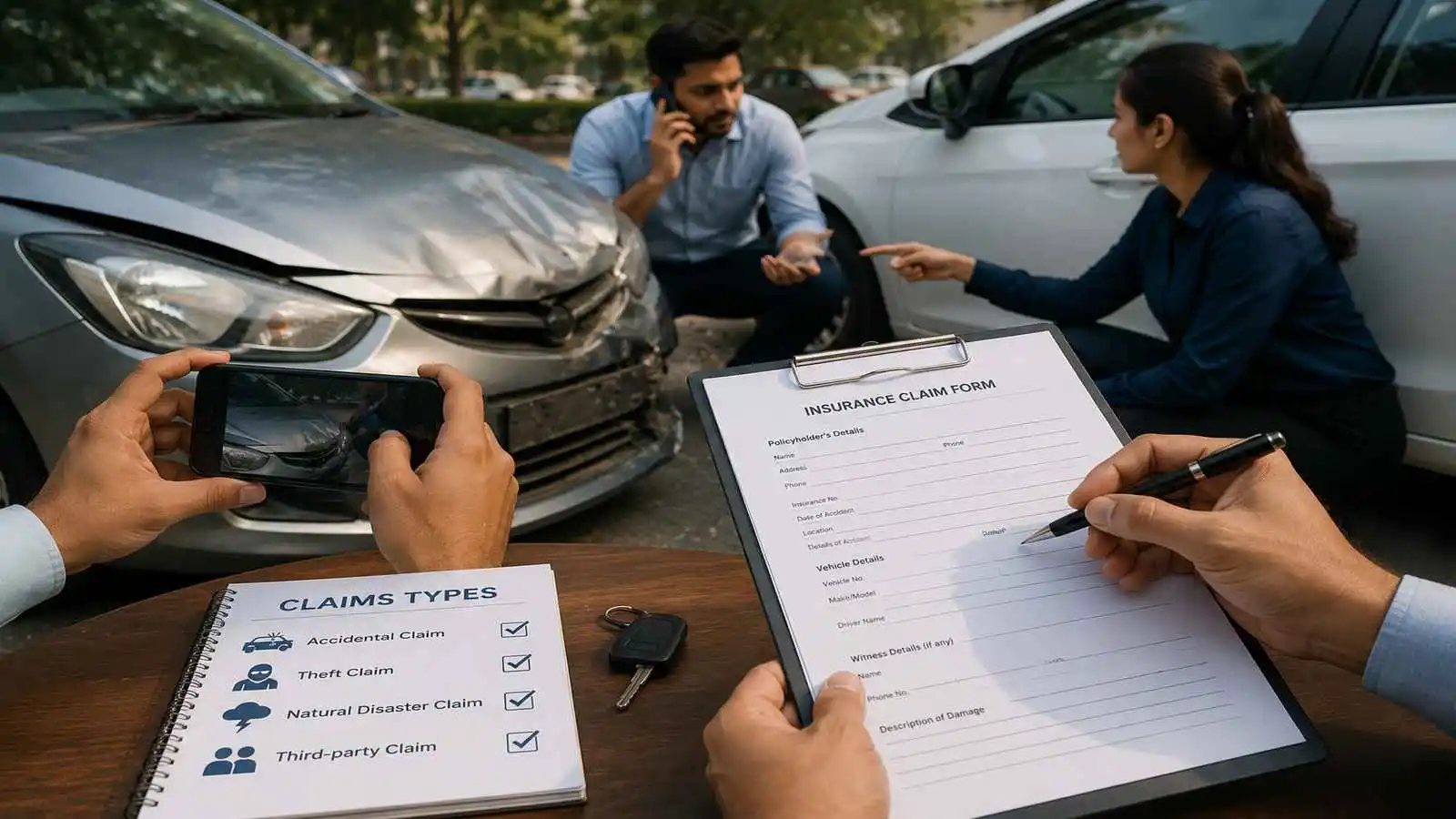
To file an insurance claim, you usually need a completed claim form, your policy details, identification, and documents that prove the loss or damage. Depending on your claim type, this may include photos, police reports, medical records, repair estimates, receipts, or other supporting documents required by the insurer.
What Are Insurance Claim Documents?
Insurance claim documents are the records used to support a claim and allow the insurer to review the details of a loss. They help establish the facts of the claim, verify coverage, and determine whether the payment can be approved under the policy terms. Insurers also use these documents to confirm that claims are accurate, prevent fraudulent requests, and ensure payments are made for valid covered losses.
Common Documents Required
Most insurance claims require a few common documents regardless of the policy type. These records help provide the basic information needed to begin the claim review process.
| Document | Purpose |
|---|---|
| Claim Form | Claim Details |
| Policy Info | Coverage Check |
| Policy Number | Identification |
| Government ID | Identity Verification |
| Proof of Loss | Loss Details |
| Photos/Videos | Damage Proof |
| Bills/Receipts | Cost Proof |
| Reports | Incident Record |
| Ownership Proof | Asset Verify |
| Bank Details | Payment Process |
Insurance Claim Documents by Insurance Type
The documents required for an insurance claim can vary depending on the type of coverage and the situation involved. Each insurance category may require additional records to verify the event, confirm the loss, and process the claim correctly.
Health Insurance Claim Documents
Health insurance claims usually require medical records and treatment-related documents that show the care received and the expenses involved. The exact requirements may differ depending on whether the claim is for hospitalization, outpatient treatment, or a specific medical service.
🔹Claim Form
The official claim request submitted to the insurer. It usually includes patient details, treatment information, hospital details, and the amount being claimed.
🔹Health Insurance Card & Policy Details
Includes information such as member ID, policy number, plan details, and insurer information required to identify your coverage.
🔹Medical Bills and Receipts
Original bills showing the actual cost of treatment, including hospital charges, doctor consultations, medicines, tests, and other medical expenses.
🔹Medical Records and Reports
Includes treatment records, diagnosis details, laboratory reports, X-rays, scans, and other documents that support the medical service received.
🔹Doctor’s Prescription and Treatment Notes
Prescriptions and doctor notes help confirm the recommended treatment, medicines, and medical necessity of the care provided.
🔹Hospital Admission and Discharge Summary
Required for many hospitalization claims. It shows the admission date, treatment provided, procedures performed, and discharge details.
🔹Government-Issued ID
Used to verify the identity of the insured person or patient. This may include a driver’s license, passport, or other accepted identification documents.
🔹Bank Details for Payment
Required when the insurer needs to transfer an approved claim payment directly to the policyholder or beneficiary.
⭐Pro Tip:
Before submitting a health claim, compare your bills, medical records, and claim form carefully. For example, if a hospital bill shows a procedure date of July 10 but the claim form mentions July 12, the insurer may ask for clarification and delay processing.
Auto Insurance Claim Documents
The documents required for an auto insurance claim depend on the type of incident, the damage involved, and the claim situation. Insurers usually require vehicle details, accident evidence, repair information, and ownership records to review the claim.
🔹Claim Form
The claim form includes important accident details such as the date and location of the incident, driver information, vehicle details, and a description of the damage.
🔹Driver’s License and Vehicle Documents
These documents include the driver’s license, vehicle registration, insurance policy details, and ownership information. Details such as the vehicle identification number (VIN), registration number, and policy number should match the claim information.
🔹Accident Report or Police Report
For serious accidents, theft cases, or third-party claims, insurers may require an official police report. It usually includes the incident details, accident location, involved parties, and report number.
🔹Photos and Video Evidence
Clear photos and videos of the vehicle damage can show the condition of the vehicle after an accident. Capture multiple angles, including front, rear, side damage, broken parts, the license plate, and the accident location when possible.
🔹Repair Estimates and Invoices
Repair estimates from a mechanic or repair shop show the expected repair cost, damaged parts, labor charges, and replacement expenses. Final repair invoices may be required after repairs are completed.
🔹Witness Information
If someone witnessed the accident, their name, contact details, and statement may be included with the claim documents to provide additional incident details.
🔹Third-Party Information
For accidents involving another driver, insurers may require the other party’s name, contact information, vehicle details, insurance information, and damage details.
🔹Vehicle Theft Claim Documents
For stolen vehicle claims, common requirements include a police report, vehicle registration, ownership documents, vehicle keys, and finance details if the vehicle has an active loan.
🔹Total Loss Claim Documents
When a vehicle is considered a total loss, insurers may request ownership records, loan information, vehicle valuation documents, and settlement paperwork to process the claim.
⭐Pro Tip:
After an accident, collect photos, videos, witness details, and repair estimates as early as possible. Missing information can delay claim processing.
Home Insurance Claim Documents
Home insurance claims usually require documents that show your coverage, property ownership, damage details, repair costs, and losses. The required records may vary depending on the type of damage and claim situation.
🔹 Policy Documents and Coverage Details
Your insurance policy, declarations page, and coverage details show the insured property, policy number, coverage limits, deductibles, and applicable protections.
🔹 Proof of Property Ownership
Ownership records may include purchase documents, property records, mortgage information, receipts, or other records showing your connection to the damaged property.
🔹 Photos and Video Evidence
Clear photos and videos of the damage help document the condition of your home and belongings. Capture damaged areas, personal items, structural damage, and the condition before temporary repairs.
🔹 Damage Inventory and Personal Property Records
A detailed list of damaged or lost items should include item names, purchase dates, approximate value, receipts, warranties, and serial numbers when available.
🔹 Repair Estimates and Invoices
Contractor estimates, repair bills, material costs, and invoices help show the expected or completed repair expenses after covered damage.
🔹 Temporary Repair Records
Keep receipts for emergency repairs made to prevent further damage, such as covering a damaged roof, removing water, or securing broken doors and windows.
🔹 Police or Official Reports
For theft, vandalism, fire, or other incidents involving authorities, a police report or official incident report may be required.
🔹 Additional Living Expense (ALE) Documents
If your home becomes temporarily unlivable, keep records of additional expenses such as hotel bills, meals, transportation, and other necessary costs.
🔹 Contractor and Restoration Information
Keep details of contractors, restoration companies, estimates, communication records, and completed repair documents related to the claim.
⭐Pro Tip:
Maintain a home inventory with photos, receipts, and important documents before a loss happens. It can make the claim process faster when property is damaged or destroyed.
Life Insurance Claim Documents
Life insurance claims usually require documents that confirm the policy details, the insured person’s death, beneficiary information, and payment details. The exact requirements may vary depending on the policy and cause of death.
🔹 Claim Form
The completed claim form includes details about the policyholder, beneficiary, policy information, date of death, and requested claim benefits.
🔹 Original Policy Documents
The policy document provides important details such as the policy number, insured person’s name, coverage amount, policy terms, and beneficiary information.
🔹 Official Death Certificate
A certified death certificate is one of the primary documents required for a life insurance claim. It usually includes the deceased person’s name, date of death, place of death, and official registration details.
🔹 Identity and KYC Documents
The beneficiary may need to provide identity documents such as a government-issued ID, address proof, and other required verification documents to process the claim.
🔹 Beneficiary Documents
Beneficiaries may need to submit proof of their relationship with the insured person, nominee details, and required identification records.
🔹 Medical Records or Cause of Death Documents
Depending on the circumstances, insurers may request medical records, hospital documents, treatment history, or physician statements related to the insured person’s final illness or condition.
🔹 Police or Official Reports
For accidental death, unnatural death, or cases requiring investigation, insurers may request police reports, post-mortem reports, or other official records.
🔹 Bank Details and Payment Information
Beneficiaries usually provide bank account details, cancelled checks, or other payment information to receive the approved claim amount.
🔹 Employer or Group Policy Documents
For employer-provided life insurance, additional records such as employment details, group policy information, or employer confirmation may be required.
⭐ Pro Tip
Keep beneficiary details, policy information, and contact details updated throughout the policy period. Outdated nominee information can delay claim processing.
Travel Insurance Claim Documents
Travel insurance claims usually require documents that show your trip details, the reason for the claim, and related expenses. Required records may vary depending on whether the claim is for medical emergencies, cancellations, delays, baggage loss, or other travel issues.
🔹 Claim Form and Policy Details
The completed claim form includes trip information, policy details, claim reason, travel dates, and incident details. Keep a copy of your policy number and coverage information available.
🔹 Passport and Travel Documents
Travel documents may include passport copies, visa details, flight tickets, boarding passes, a travel itinerary, and entry or exit records showing the trip details.
🔹 Medical Reports and Treatment Records
For medical claims, insurers may require doctor reports, hospital bills, prescriptions, diagnosis details, medical certificates, and treatment records from the location where care was received.
🔹 Flight Cancellation or Delay Proof
For delayed or cancelled flight claims, provide airline confirmation, delay certificates, cancellation notices, revised booking details, and additional travel expense receipts.
🔹 Baggage Loss or Theft Documents
For lost, stolen, or damaged baggage claims, keep baggage tags, airline reports, police reports (if theft occurred), purchase receipts, and details of the missing items.
🔹 Expense Receipts and Payment Proof
Keep original receipts for expenses such as emergency accommodation, transportation, medical payments, replacement items, or other costs related to the claim.
🔹 Police or Official Reports
For theft, loss, accidents, or other incidents requiring authorities, insurers may request official reports from local authorities or service providers.
🔹 Bank Details
Claim payment may require bank account information, payment details, or other required financial documents for reimbursement.
⭐ Pro Tip
During travel, keep digital copies of your passport, policy details, tickets, receipts, and important documents. Quick access to records can make the claim process easier during emergencies.
Business Insurance Claim Documents
Business insurance claims may require documents that show the incident, business ownership, financial impact, property damage, and related losses. The required records depend on the type of claim, such as property damage, liability, theft, or business interruption.
🔹 Claim Form and Policy Details
The claim form includes business information, policy details, claim type, incident date, location, and a description of the loss. Keep your policy number and coverage details ready when reporting a claim.
🔹 Business Ownership Documents
These documents may include business registration records, licenses, ownership details, lease agreements, and other records showing the connection between the business and the insured property.
🔹 Incident Reports and Damage Records
An incident report should include what happened, when and where it occurred, people involved, and the immediate impact on the business. Photos and videos of damaged property, equipment, or inventory can support the claim.
🔹 Inventory Records and Proof of Value
Businesses may need inventory lists, purchase invoices, receipts, equipment records, and asset details showing the value of damaged, lost, or stolen items.
🔹 Repair Estimates and Invoices
Repair quotes, contractor estimates, service invoices, and replacement costs help document expenses related to damaged property, equipment, or business assets.
🔹 Financial Records and Loss Documents
For business interruption or income loss claims, insurers may request financial statements, sales records, tax documents, payroll records, bank statements, and additional expense records.
🔹 Liability Claim Documents
For customer injury, employee incidents, or third-party claims, businesses may need witness details, incident reports, communication records, medical bills, and legal documents.
🔹 Police or Official Reports
For theft, vandalism, fire, or other incidents involving authorities, official reports may be required along with claim documentation.
⭐ Pro Tip
Maintain updated business records, inventory lists, receipts, and financial documents before a loss occurs. Organized records can help reduce delays during claim review.
Digital vs Physical Insurance Claim Documents
Most insurers now accept digital claim documents through online portals, mobile apps, or email submissions. However, keeping important physical copies can still be useful for verification, legal records, and situations where original documents may be requested.
🔹 Digital Claim Documents
Digital copies such as scanned PDFs, photos, and uploaded files make claim submission faster and easier. Policyholders can store documents in secure cloud storage, access them anytime, and submit evidence without mailing paperwork. Clear scans, readable photos, and properly named files can help avoid delays during claim review.
🔹 Physical Claim Documents
Original documents or printed copies may still be required for certain claims, especially when insurers need verification. Keep important records such as policy papers, official certificates, receipts, and reports safely stored until the claim process is fully completed.
🔹 Best Practice for Claim Records
Maintain both digital and physical backups whenever possible. A simple approach is to scan important documents, save them with clear file names, and keep original copies in a secure location. This helps if a document is lost, damaged, or requested again during the claim process.
Tips to Avoid Claim Rejection Due to Missing Documents
Missing, unclear, or incomplete documents can delay the claim review process. Before submission, check that your claim form is complete, copies are readable, photos clearly show the damage, and all required receipts, reports, and supporting records are included.
Keep copies of everything you submit and store original documents safely. Also, follow the insurer’s submission deadline and confirm that uploaded files are complete and properly received.
Common Mistakes When Submitting Insurance Claim Documents
Avoid these common document errors that can slow down claim processing:
🔹 Missing required signatures on claim forms
🔹 Entering the wrong claim number or policy details
🔹 Submitting expired identification documents
🔹 Forgetting receipts, bills, or supporting records
🔹 Uploading unclear or blurry photos
🔹 Providing incorrect bank account details
🔹 Sending incomplete documents without checking the required list
Read the Full Guide → How to File an Insurance Claim Correctly
The Bottom Line
Good document management can make the claim process easier. Keep your records organized, check details carefully before submission, and save copies of everything you provide to your insurer.
FAQ: Insurance Claim Documents
Question 1: What documents are required for an insurance claim?
Answer: Required documents depend on the claim type but usually include a claim form, policy details, identity proof, and supporting evidence of the loss.
Question 2: What documents are needed to file an insurance claim?
Answer: You may need claim forms, proof of loss, photos, bills, reports, and other records related to your specific claim.
Question 3: What are the 5 main insurance claim documents?
Answer: Common documents include the claim form, policy information, identity proof, proof of loss, and supporting financial records.
Question 4: Do all insurance claims require the same documents?
Answer: No. Health, auto, home, life, and business claims require different documents based on the type of loss.
Question 5: Can I submit scanned copies of claim documents?
Answer: Yes, many insurers accept scanned copies or digital files, but some situations may require original documents.
Question 6: Can I submit insurance claim documents online?
Answer: Yes. Many insurers allow documents to be uploaded through online portals, mobile apps, or email.
Question 7: What happens if I miss a document for my claim?
Answer: The insurer may request additional information, which can delay claim review or payment.
Question 8: Can my insurer ask for additional documents?
Answer: Yes. Insurers may request more documents if they need to verify details or evaluate the claim.
Question 9: How long should I keep insurance claim documents?
Answer: Keep claim records until the claim is fully settled and longer if required by your local laws or policy terms.
Question 10: Do I need original documents for an insurance claim?
Answer: Not always. Many claims use copies or digital files, but keep originals safely in case verification is needed.
Question 11: Is a police report required for every insurance claim?
Answer: No. A police report is usually needed only for certain situations such as theft, accidents, or legal incidents.
Question 12: Can someone else submit claim documents for me?
Answer: Sometimes. A representative may submit documents if they have proper authorization from the policyholder.


Comments are closed.
[…] successful insurance appeal is rarely based on a single document or a strongly worded letter. It is built on a structured process—understanding the […]
[…] all requested documents, including your policy number, claim form, medical bills, repair estimates, receipts, photographs, […]